
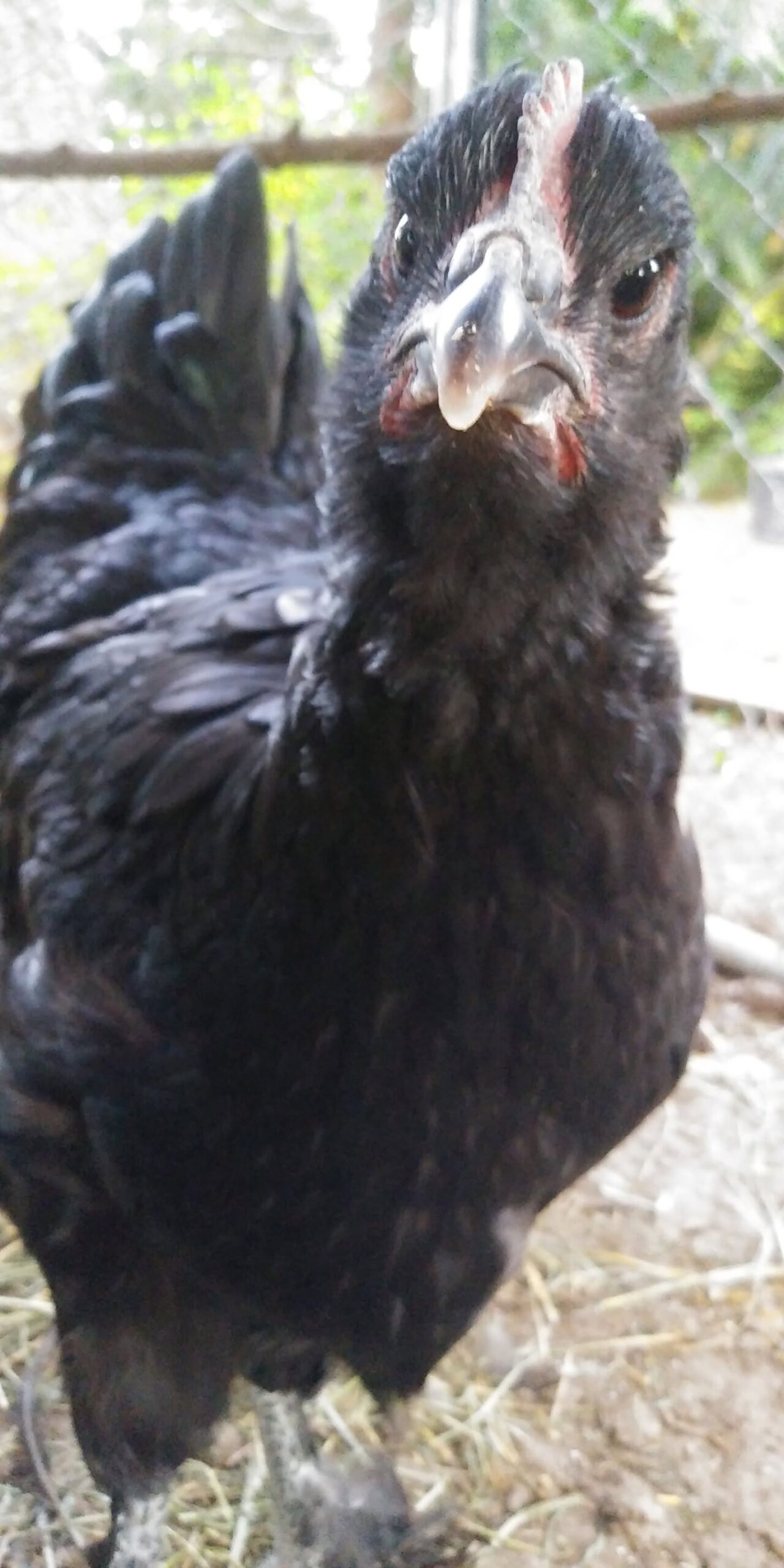
If you search ‘best chicken breeds for Kentucky,’ you’ll find the same ten names on every list. Buff Orpington. Rhode Island Red. Barred Rock. Most of those articles were written by people who have never spent a July in Kentucky watching their beloved hen pant in the heat with wings spread wide.
I’ve kept chickens in two states and very different climates. On my Kentucky ridgetop homestead, I’ve now had the same flock going on three years — zero losses from the original Craigslist birds due to illness. 🐓 See their story here 🐓 I’ve also raised chickens in Washington state and watched breeds perform very differently in very different conditions.

This post is built on that layered experience — clearly labeled so you know exactly what’s firsthand Kentucky knowledge and what’s research. Because those are different things and you should know which you’re getting.
How to read this post:
🐓 I keep this breed on my Kentucky homestead
📍 My personal experience — Washington state or Texas
🔬 Based on research and sourcing — I don’t personally keep this breed
🌱 My next Kentucky project — just started
I’ll tell you which is which throughout. You deserve to know the difference.
What Kentucky’s Climate Actually Does to Your Chickens
Most breed guides are written for either cold climates or hot climates. Kentucky is both — sometimes in the same week.
Summer runs June through September with heat indexes regularly above 100°F and humidity that compounds everything. Large single combs actually help in summer heat. According to Dr. Nancy Jefferson Ph.D. of Kalmbach Feeds, combs and wattles are packed with blood vessels that dissipate body heat — larger means more cooling surface area. The comb type alone doesn’t save birds in a Kentucky summer; shade, ventilation, and fresh water do.
[https://www.kalmbachfeeds.com/blogs/chickens/what-are-chicken-combs-and-wattles — Kalmbach Feeds: What Are Chicken Combs and Wattles — Dr. Nancy Jefferson Ph.D.]
Winter is where comb type becomes the real Kentucky deciding factor. We don’t get reliably cold — we get 65 degrees in January, followed by an ice storm in February. That freeze-thaw cycle is brutal on large single combs. In cold weather, chickens restrict blood flow to their combs to conserve heat, which is exactly what makes them frostbite-prone. Rose and pea combs sit low and flat to the head with far less exposed surface area and are dramatically more resistant.
Spring is wet. Mud, standing water, damp coops. Respiratory issues start here if ventilation isn’t right.
🐓 The honest Kentucky comb tradeoff: large single combs help in summer, hurt in winter. Rose and pea combs give up a little summer cooling efficiency but are a major advantage in February ice. For a Kentucky homesteader, it will be your choice on the comb issue — shade and water solve summer heat, but you can’t un frostbite a comb once it’s happened.
🐓 My Wyandotte cross hens with the rose comb have not gotten frostbite. But my hens and rooster with the larger combs both got a tiny bit on their combs. The black spots that never go away. My coop has good ventilation, and I do opt for the addition of heat in the winter. Unfortunately, it did not save them from the zero-degree nip of winter.
Chart of Recommended Kentucky Chicken Breeds (Zone 6–7)
Scan this first. Then read the sections for the breeds that fit your situation. The table gives you the overview — the sections give you the Kentucky-specific details that matter.
9 Kentucky Chicken Breeds at a Glance (Zone 6–7)
| Breed | Temperament | Eggs/yr | Comb | KY Winter | KY Summer |
|---|---|---|---|---|---|
| Wyandotte🐓 KY flock, 3 yrs | Calm, docile | ~200 | Rose ✓ | Excellent | Good |
| Delaware🐓 KY flock | Friendly but independent | 150–200 | Single ▲ | Good w/ mgmt | Excellent |
| Bielefelder🐓 KY rooster | Calm, vigilant | 200–230 | Single ▲ | Good w/ mgmt | Good |
| Buff Orpington📍 Washington | Docile, kid-friendly (broody) | 180–220 | Single ▲ | Good | Needs mgmt |
| Australorp🔬 Researched | Quiet, docile | 250–300 | Single ▲ | Monitor | Excellent |
| Easter Egger📍 Washington | Curious, friendly | 200–250 | Pea ✓ | Excellent | Good |
| Cream Legbar📍 Sister / WA | Active forager | ~230 | Pea ✓ | Excellent | Good |
| Barred Plymouth Rock🔬 Researched | Calm, docile, good with kids | 250–280 | Single ▲ | Monitor | Good |
| Dominique🌱 Started June 4 | Calm, forager | ~230 | Rose ✓ | Excellent | Good |
Badges: 🐓 I keep it in Kentucky · 📍 my experience elsewhere · 🔬 research-based · 🌱 just started.
Comb: Rose ✓ and Pea ✓ are low frostbite risk; Single ▲ needs winter monitoring in Kentucky’s wet cold.
Green = strong for our conditions · Amber = manageable with attention.
🌿 Want more from the Kentucky Homestead?
Drop your email below and I’ll send chicken updates, new recipes and garden posts straight to your inbox.
What to Look for in a Kentucky Chicken Breed
🐓 Before the breed list, here are the traits that matter most for our specific conditions. The University of Kentucky Cooperative Extension has two free publications worth downloading: ASC-190 (Selecting the Right Chicken Breed) and ASC-231 (Breed Selection for Small-Scale Egg Production). They’re the official starting point — what follows is the Kentucky real-world layer on top.
[LINK: https://publications.mgcafe.uky.edu/asc-190 — UK Extension ASC-190: Selecting the Right Chicken Breed]
[LINK: https://publications.mgcafe.uky.edu/asc-231 — UK Extension ASC-231: Breed Selection for Small-Scale Egg Production]
Comb type — the real Kentucky tradeoff
Rose and pea combs sit close to the head with far less exposed surface area than a large upright single comb. In Kentucky’s wet freeze-thaw winters they are dramatically more resistant to frostbite. In summer, single combs actually help with heat dissipation — more surface area means more cooling. So the choice isn’t simply ‘small comb good, big comb bad.’ It’s a Kentucky-specific tradeoff where winter risk can outweigh summer benefit for outdoor homestead birds.
Dual-purpose heritage breeds over production hybrids
Production hybrids like ISA Browns and Golden Comets lay more eggs their first year but burn out faster and are bred for climate-controlled commercial facilities. UK Extension ASC-231 confirms they won’t breed true and require a commercial program to replace. A heritage bird laying 200-250 eggs a year for four or five years beats a hybrid that lays 300 and falls apart by year two.
My girls are now 3 years old (2026) and have significantly slowed down their laying cycle. In the first year, I almost had too many eggs, but my neighbors did not mind a few fresh eggs. I don’t get an egg every day from each bird, but I get 4-5 from the 7 girls every day. They are a bit older, so I have upped their protein intake, especially during molting.
Docile temperament
Flighty nervous breeds do seem to stress more easily in heat and are harder to manage when something goes wrong. For a Kentucky beginner, you want birds that let you check them, move them, and treat them without a rodeo. You don’t want to have to chase them when humidity is 90, you will both be spent and stressed.
A Note on Roosters
Roosters are there to do a job. Protect the flock. They are beautiful and lovely, but not cuddly for the most part. Everyone has an experience with why they love or hate a rooster.For my free-range girls, Charlie takes very good care of his ladies. I did have a Rooster named Cluck Norris. He karate kicked me in the back of the legs and always escaped the 6-foot fence of the coop. If you like your neighbors, be kind and don’t keep a rooster if you live in a close neighborhood. I can hear the roosters across the holler every morning. If you end up with a rooster, don’t fret. There are many auctions you can take them to, if you can not put them in freezer camp.

My 9 Best Chicken Breeds for Kentucky
These are the breeds I’d hand-sell to a Kentucky neighbor. Some I keep here. Some come from my experience in other climates or from solid sourcing. Each is clearly labeled.
1. Wyandotte
🐓 I keep this in Kentucky — 3 years, zero losses do to illness
The Wyandotte is the backbone of my original flock — a Bielefelder-Wyandotte cross that came from a Kentucky breeder on Craigslist in June 2023. [Link to Post 1] Rose comb, heavy body, consistent layer of large brown eggs around 200 a year, calm temperament that makes them easy to handle even for beginners.
UK Extension ASC-231 specifically names the Silver-laced Wyandotte as a recommended breed for small-scale egg production. ASC-190 lists them in the winter-hardy and pasture breed section. My birds have been through Kentucky summers, two ice storms, and predator pressure. They just keep going.
I did not keep Wyandotte’s in WA, I now wish I had. They are smart, docile birds and use their shelter for shade and predator protection from above. I also think their feather color helps them while free ranging in the fall. They blend right in with the fall colored leaves.

2. Delaware
🐓 I keep this in Kentucky — excellent free ranger
I also raise Delawares here, and they have done well in Kentucky summer heat and humidity. Sources disagree on Delaware heat tolerance — some rate them poorly, others rate them well. My firsthand Kentucky observation resolves that conflict in my mind: they do well.
They are a smaller-framed bird than the Wyandotte, which might be why they do well in the humidity and heat. They have handled the heat well and are excellent layers.
The Livestock Conservancy notes Delawares evolved in the Mid-Atlantic with hot humid summers and cold winters — a climate closer to Kentucky than most people realize. They were developed in the 1940s by crossing Barred Plymouth Rock roosters with New Hampshire hens, and were once the primary broiler breed before Cornish Cross took over.
The single comb is a real winter consideration. My hens didn’t get frostbitten combs — but I keep them inside the coop in winter. That management approach matters. If your birds are outside in wet Kentucky cold, monitor those combs in January and February the same as you would with Barred Rocks.

3. Bielefelder
🐓 I keep a Bielefelder rooster in Kentucky — free ranges, vigilant
The Bielefelder is half of my original Kentucky cross [Link to Post 1] and I keep a Bielefelder rooster here. Greenfire Farms rates their free-range ability as ‘No’ — my rooster overrides that rating with real evidence. He free ranges on my Kentucky ridgetop, is vigilant, and keeps his hens safe. That’s the difference between a hatchery’s generalized rating and a real homestead.
[LINK — Greenfire Farms: Bielefelder]
Developed in Bielefeld, Germany — a region with humid summers similar to Kentucky. Autosexing is a major practical advantage: male and female chicks are distinguishable at hatch by color, which means no surprise roosters if you source correctly. 200-230 jumbo brown eggs per year from hens.
One important thing most breed guides don’t tell you: According to Greenfire Farms, Bielefelders need more Vitamin E than other breeds. Good quality feed plus sunflower seeds is a practical, affordable way to cover that. My rooster does well on this approach.
Single comb means winter monitoring is needed. My rooster got some frostbite — manageable but worth knowing.

4. Orpington
📍 My experience — Washington state
I kept Buff and Blue Orpingtons in Washington. I can’t speak to Kentucky summers specifically with this breed from my own experience — but UK Extension’s ASC-190 and ASC-231 both list them as recommended backyard flock birds, and the consistent advice from experienced keepers is clear: adequate shade, fresh water refreshed multiple times daily in July and August, good coop ventilation. They handle heat with proper management.
I love their fluff! They are famously docile — the kind of bird that squats to be picked up, that children can handle, that comes to you in the yard. For a first-time Kentucky keeper who wants friendly birds that are widely available, Buff Orpingtons are a reliable choice.
One thing every beginner needs to know before they buy Orpingtons: they go broody easily. Broody means your hen stops laying, plants herself on a nest, and refuses to move — sometimes for weeks. Frustrating if you just want eggs. Genuinely useful if you want to hatch chicks naturally, because a broody Orpington will raise almost anything you put under her.

5. Australorp
🔬 Based on research — UK Extension and multiple sources
I don’t personally keep Australorps. I’m recommending them based on strong sourcing: UK Extension ASC-190 lists them in both the egg production and dual-purpose breed tables — one of only a handful of breeds that earns a spot in both. Developed in Australia for variable climates, they handle Kentucky heat genuinely well — better than most single-combed breeds on this list.
Best egg layer of everything I’m recommending — 250-300 brown eggs per year without the burnout of production hybrids. Owners say they are quiet, docile, beautiful birds with jet black feathers and a beetle-green sheen in sunlight. Single comb means winter monitoring, same as Delaware and Barred Rocks.
6. Easter Egger
📍 My experience — Washington state
Easter Eggers aren’t technically a breed — they’re a mixed bird carrying the blue-egg gene, laying blue, green, olive, brown or pink eggs depending on the individual. Pea comb means excellent Kentucky winter hardiness. They appear on Greenfire Farms’ heat-hardy assortment, which supports Kentucky summer performance. 200-250 eggs per year, curious and friendly temperament. They are a smaller bird, too. But I found them to be nice, friendly birds that add some extra fun to an egg basket
[LINK: https://greenfirefarms.com/heathardyassortment.html — Greenfire Farms Heat Hardy Assortment]
Farm stores sell them as ‘Ameraucana’ during Chick Days. UK Extension ASC-190 explains the distinction clearly: an Ameraucana meets American Poultry Association breed standards, an Easter Egger is any bird carrying the blue egg gene that doesn’t meet that standard. The eggs are just as colorful either way — don’t let the labeling confusion put you off them.
Beginner tip- Many new backyard owners think that easter egger means one bird lays different colored eggs every day. Most won’t tell you, you may just get a brown egg from one of these birds. But each bird will lay a single colored egg, not a rainbow of eggs. Olive Eggers should lay a green egg, and there are other specific breeds that lay blue eggs.

7. Cream Legbar
📍 My sister kept them in Washington and loved them — on Greenfire’s heat hardy list
My sister kept Cream Legbars in Washington and loved them. Washington’s climate is different from Kentucky’s — cooler summers, milder winters — so her experience doesn’t transfer directly. But their pea comb makes them a strong candidate for Kentucky winters, and Greenfire specifically includes them in their heat-hardy assortment, which addresses the summer question.
Autosexing breed — like the Bielefelder, males and females are distinguishable at hatch. Most folks want them for their Sky-blue eggs. Active foragers. Around 230 eggs per year. They’re on my list to try on the Kentucky ridgetop. I’ll write about it when I do.
At some point, I would like to add these for some fun colors to the egg basket. I think my grandson would get a kick out of cracking a blue egg for pancakes!

8. Barred Plymouth Rock
🔬 Based on research — UK Extension recommended
I don’t personally keep Barred Rocks. I’m recommending them because UK Extension ASC-231 lists them as a popular backyard breed and they’re one of the most available heritage breeds in Kentucky farm stores.
Here’s the honest tension: my whole ‘what to look for’ framework leads with rose and pea combs as the Kentucky winter priority — and then I’m recommending a single-combed bird. UK Extension actually addresses this directly in ASC-190 with a sidebar comparing the Barred Rock (single comb) to the Dominique (rose comb) because the comb difference matters. Barred Rocks are manageable in Kentucky winters with a dry well-ventilated coop and comb monitoring in January and February. Petroleum jelly on combs during wet cold stretches helps.
If the single comb genuinely concerns you, see breed #9 — the Dominique is essentially a Barred Rock with a rose comb and a longer American history.

9. Dominique
🌱 My next Kentucky project — started June 4th, 2026
On June 4th 2026, I picked up six straight run Dominique chicks from Rural King — they source from Hoover’s Hatchery. Starting a new breed is never without its challenges.
The Dominique is recognized by the Livestock Conservancy as America’s first and oldest chicken breed, present on American farms since at least the 1750s. It was one of the foundation breeds used to develop the Barred Plymouth Rock in the 1860s. UK Extension ASC-190 lists them in the dual-purpose breed table and specifically uses a sidebar comparing the Dominique’s rose comb to the Barred Rock’s single comb.
Rose comb, dual purpose, brown eggs around 230 per year, excellent forager, calm temperament. The rose comb alternative to Barred Rock with a deeper American history. I’ll be writing about this flock as it develops — if you want to follow along.

Update August 5, 2026
Speckled Sussex
🔬 Research — appears consistently in Kentucky breed recommendations
The Speckled Sussex keeps showing up in Kentucky breed discussions and it deserves a mention. Smaller comb, heavy feathering for cold hardiness, calm temperament, and one of the prettier birds in a mixed flock with their distinctive speckled pattern. I don’t personally keep them but they appear consistently in Kentucky breed recommendations, including the AI Overview that currently sits above most search results for ‘best chickens for Kentucky.’ Good dual-purpose bird worth knowing about.
My Recommended Chickens For the Experienced Keeper
These breeds are genuinely worth knowing about — but they come with management requirements that make them better suited to someone who has a year or two of chicken keeping under their belt.
American Bresse
🔬 Research + homestead community interest
I’m including the American Bresse because everyone in my homestead community wants to talk about them — and that’s a legitimate reason to cover them honestly.
Greenfire Farms, who imports and breeds them in the US, rates them: great for beginners — No. Free range ability — No. That’s the hatchery that specializes in this breed telling you directly it’s not a beginner bird. And most of the homesteaders in my groups keep them in chicken tractors and raise them as meat birds.
[https://greenfirefarms.com/american_bresse.html — Greenfire Farms: American Bresse]
What they are: a gourmet table breed with 250 tinted eggs per year that requires pasture finishing and dairy products in the French tradition to produce the meat quality they’re known for. If you want the best chicken you’ve ever eaten and you’re willing to learn the management requirements, they’re extraordinary. Just don’t start here.

Buckeye
🔬 Livestock Conservancy — bred for Midwest winters
I had not heard of these before, so I enjoyed researching the breed. Developed in Warren Ohio in 1896 by Nettie Metcalf — the only American chicken breed created entirely by a woman and the only purely American breed with a pea comb. Bred specifically for cold-hardy Midwest conditions. Pea comb, stocky build, good forager, known as an active hunter of mice and pests.
Moderate layer of brown eggs. Harder to find than most breeds — the Livestock Conservancy’s hatchery directory is your best starting point. Worth knowing about for the Kentucky keeper who wants to go off the beaten path.

Breeds I’d Skip for Kentucky Homestead Beginners
Leghorns
Flighty, high-strung, and not suited to small backyard flocks — UK Extension ASC-190 says exactly this. Their large single combs are frostbitten in Kentucky’s wet winters if you don’t have a great coop set up. They’re purpose-built for climate-controlled commercial houses, not a Kentucky homestead where birds are outside year-round and handled daily. Counterintuitively, their large single combs actually help with heat dissipation.
I used to do deliveries to an egg production facility. Their Leghorns were always out in the road, and employees were chasing them. One of my fellow drivers event spent an hour chasing one a few of them down. I mean, they lay eggs well, but I don’t want to recommend something I saw as extra work and stress.

Silkies
Beautiful, friendly, and completely unsuited to Kentucky’s wet conditions. Their feathers don’t shed water the way normal chicken feathers do, making them vulnerable to damp and miserable in rainy springs. A wonderful pet breed in a controlled environment — not a practical outdoor beginner Kentucky homestead bird. Now if you want to take the time and set them up a wonderful coup environment, then go for it. But for the extra work I can’t in full faith recommend them for a beginner.
Production Hybrids (ISA Browns, Golden Comets, Red Stars)
Tempting because they lay a lot of eggs in year one. Bred for climate-controlled commercial houses, they burn out by year two or three and don’t have the resilience heritage breeds have developed over generations. UK Extension ASC-231 is clear they won’t breed true and require a commercial program to replace. For a Kentucky homestead where birds live outside year-round, choose heritage every time. I owned ISA browns in WA. They did do well, but I found the egg burn out issue to be true.
A Word on Rhode Island Reds
Rhode Island Reds appear in every UK Extension breed table and are excellent layers — 250-300 brown eggs a year. They’re not on my main list because I was looking to diversify the list. They’re not a mistake — they are a solid bird. The cons I found made me keep them off the main beginner list:
Cons:
- Can be assertive/bossy in mixed flocks.
- Roosters may be aggressive.
- Modern production strains may not match the reputation of true heritage birds.
One Thing UK Extension Requires I Tell You: NPIP Certification
UK Extension ASC-231 is clear: if you are ordering chicks from out of state, Kentucky law requires they come from a hatchery participating in the National Poultry Improvement Plan (NPIP) that is certified avian influenza clean.
This matters. Avian influenza has affected Kentucky flocks in recent years. NPIP certification means the hatchery tests their breeding flocks for pullorum disease, typhoid, and avian influenza. Confirm NPIP status on any hatchery’s website before ordering. Hoover’s Hatchery — which supplies Rural King — is NPIP certified. Meyer Hatchery and My Pet Chicken both are as well. Many local breeders are as well. Don’t be afraid to ask.
If you’re buying locally — from a breeder, farm swap, or neighbor — ask about their flock’s health history. Any reputable seller answers that without hesitation.
FAQ: Kentucky Best Homestead Chickens
Yes — I personally bought six straight run Dominique chicks from Rural King on June 4th 2025. They source from Hoover’s Hatchery, which is NPIP certified. A few things worth knowing before you buy: ask whether chicks are straight run or sexed pullets, which hatchery they came from, and whether that hatchery is NPIP certified. Straight run means you’ll likely get roosters mixed in — know that going in.
Breed selection varies by store and season. Based on what’s typically available, look for Wyandottes if they have them, then Buff Orpingtons, Barred Rocks, or Australorps. Easter Eggers are a good addition for egg color variety.
Kentucky law requires out-of-state chicks to come from an NPIP-certified avian influenza-clean hatchery. Meyer Hatchery in Ohio, Green Fire Farms both meet this requirement and have excellent heritage breed selection. Confirm NPIP status before ordering.
Rural King carried Dominiques from Hoover’s Hatchery — worth calling your local store to check availability. For Cream Legbars, Meyer Hatchery, My Pet Chicken, or the Livestock Conservancy’s hatchery directory are your best options. Local farm swaps and Kentucky poultry Facebook groups are also worth checking.
Six is a good number for a first Kentucky flock — enough for flock dynamics, enough eggs to be useful, and a manageable learning curve. My honest starter recommendation: two Wyandottes, two Easter Eggers, two Buff Orpingtons. Three breeds, a mix of comb types, personality, and egg color. Wait on the Rooster 🙂 if you are a newbie.
No — and this surprises a lot of beginners. Hens lay eggs without a rooster. You only need a rooster if you want fertilized eggs to hatch into chicks. A flock of six hens will lay eggs every day without a rooster present. In fact many Kentucky city and county ordinances prohibit roosters while allowing hens — so check your local rules before adding one. If you’re in a rural area and want to eventually hatch your own replacements, one rooster to six to eight hens is a good ratio.
Leave a Reply