
Real gardening tips for Kentucky’s clay soil, unpredictable weather, and humid summers—from an Adair County gardener figuring it out alongside you.


Welcome to Bloom & Peck’s Kentucky Zone 6 & 7 Gardening Hub — where I share what’s actually happening in my Zone 7a garden, wins and fails included.
Are you new to Bloom and Peck? You can learn more about why I homestead in Kentucky here.
I’m not a master gardener or an expert. I’m learning as I go, dealing with the same Kentucky clay soil, surprise spring frosts, and July heat waves that you are. Some things work great. Some things… well, let’s just say the chickens enjoyed those failed lettuce starts.
This garden hub is where I’m organizing everything I’m learning about gardening in Kentucky Zones 6b, 7a, and 7b — the stuff that’s working, the experiments in progress, and the honest mistakes so you can skip them.
What to Plant Each Month in Kentucky
I’m working through the full Kentucky gardening calendar month by month — with zone-specific dates, what I’m actually doing on my homestead, and interactive planting calendars for each month.
Spring
- What to Plant in April in Kentucky — still frost risk, potatoes, onions, broccoli, cole crops
- What to Plant in May in Kentucky — tomatoes after May 10th, peppers after the 15th, warm season begins
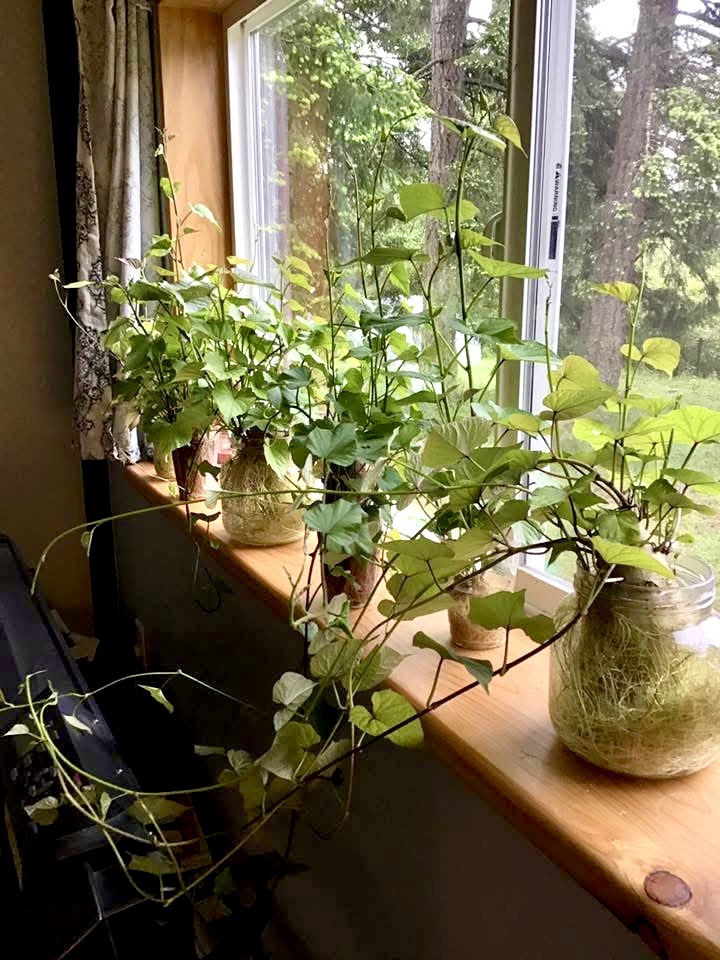
- What to Plant in June in Kentucky — sweet potato slips, beans, corn, squash, and your first fall crops
Summer & Fall
- July — shade cloth is a must, succession planting, pest management
- August — fall crop planning begins, some things are thriving, some are done
- September – Starting to slow down, cover crops and prepping beds for garlic in November
- What to Plant in Fall in Kentucky — September succession planting, extending season with row covers
Winter
- Winter Sowing Without Milk Jugs — I use clamshell containers and it works great
🌱 Kentucky Crop Guides
Everything I’ve written about specific vegetables — when to plant, what varieties work, and what I’ve learned the hard way on my Zone 7a homestead.
- When to Plant Beets in Kentucky — spring and fall timing, best varieties, and why my beets failed last year
- When to Plant Broccoli in Kentucky — spring and fall guide, worms, mesh netting, and what actually works
- When to Plant Cantaloupe in Kentucky
- When to Plant Cucumbers in Kentucky — my arched trellis setup and ongoing powdery mildew battle
- When to Plant Onions in Kentucky — I got my Dixondale order in March 2026!
- When to Plant Peas in Kentucky — and the March frost that taught me not to skip row cover
- When to Plant Peppers in Kentucky — they love our heat, but timing matters
- Starting Sweet Potato Slips in Kentucky — clamshell containers work!
- Best Tomatoes to Grow in Kentucky — varieties that actually survive our summers
- How to Grow Thelma Sanders Squash on a Cattle Panel Trellis
- How to Plant Garlic in Kentucky – My leaf mulch and insect cover
More coming as I grow them — cabbage, and more are in progress.
New Kentucky Planting Calendar
📬 Want Real Kentucky Garden Updates?
Grab your free Kentucky Vegetable Planting Calendar — realistic planting dates for Zone 6 & 7, plus occasional real-talk homesteading tips from my Adair County garden. No woo-woo, just what works.
Just updated a new 3 zone Kentucky Vegetable Planting Calendar, and it is free to check out and a printable via email! See the article HERE
📅 Free Kentucky Vegetable Planting Calendar
I put together a free 3-zone Kentucky Vegetable Planting Calendar with realistic planting dates for Zone 6b, 7a, and 7b — based on UK Cooperative Extension data. You can read the full post here or grab the printable version by email below.
Realistic planting dates + occasional real-talk homesteading tips. No woo-woo, just what works.
🌍 What Zone Am I In Kentucky?
Kentucky spans USDA Zones 6b, 7a, and 7b depending on where you live:

☁️ Zone 6b (Northern Kentucky, higher elevations)
- Last frost: Late April/early May
- First frost: Mid-October
- Coldest winters
☁️ Zone 7a (Louisville, Lexington, central KY)
- Last frost: Mid-April
- First frost: Late October
- Most common zone in Kentucky
☁️ Zone 7b (Southern Kentucky)
- Last frost: Early-mid April
- First frost: Late October/early November
- Warmest zone
Good news: Most of what works in one zone works in the others—you just adjust your planting dates by 1-2 weeks. I’ll note when zone differences really matter!
When in doubt of what zone you are in You can look it up by your zip code, Here is a link that will help you from Farmer’s Almanac–
🌱 WHAT I’M LEARNING ABOUT KENTUCKY GARDENING
Understanding Kentucky’s Zone 6b/7a Climate (The Real Version)
What “Zone 6b/7a” actually means for your garden:
- Last frost is supposed to be mid-April (but I’ve seen May frosts, so… 🤷♀️)
- First frost hits around mid-October (earlier if you’re in a valley)
- Growing season: About 200 days (when Mother Nature cooperates)
- Summer = hot, humid, and rain when you don’t want it (or drought when you do)
- Clay soil = nutrient-rich but DENSE (amending is a must)
What I’ve learned the hard way:
- Don’t rush tomatoes out in April with out protection (even if it’s 75°F that day)
- July and August require shade cloth (trust me on this)
- September is actually the best planting month
- That “last frost date” is more of a suggestion than a rule
- No matter What the weather looks like in February, wait for it….
update – I got to excited and did not cover my pea seedlings and we had a March freeze after a week of 70 degrees. Don’t be like me, take precautioins
This is where I talk about growing peas in Kentucky..

🍅 GROWING FOOD IN KENTUCKY (My Ongoing Experiments)
Grow Bag Gardening for Kentucky
Tomatoes (My Main Obsession)
I’m slightly obsessed with getting tomatoes to thrive in Kentucky’s heat and humidity. Here’s what I’m learning:
What’s working:
- Best Tomatoes to Grow in Kentucky: Zone 6 & 7 Guide
The varieties that actually survive our summers (not all heirlooms make it) - Tomato Trials Series
My ongoing experiments with trellising, companion planting, and keeping hornworms at bay
What I’m still figuring out:
- The perfect spacing for airflow (humidity is REAL)
- When to give up on a plant vs. when to keep trying
- Whether determinate or indeterminate works better here
Update 3/19/2026- I am growing Kentucky Beefsteak, San Marzano, German Pink, and Sun Gold tomatoes this year! Will report back on those soon!
Potted up the tomatoes they are looking good! 3/27/2026 update.
Other Veggies I’m Growing
Sweet Potatoes:
- Starting Sweet Potato Slips in Kentucky
My trial-and-error journey with slips (spoiler: clamshell containers work!)
Cucumbers:
- Learning about trellising (my arched trellis is working great!)
- Dealing with powdery mildew (ongoing battle)
Peppers:
- They LOVE Kentucky’s heat (one success story!)
- Still learning optimal planting times
- When to plant peppers in Kentucky Post
Coming soon as I try them:
- Thelma Sanders Squash
- More companion plant
- Garlic, planted in november I will share my success and failures
Update Garilc pit fall check it out - Onions – plants, Just got my Dixondale order in! March 27th, 2026
When to Plant Onions in Kentucky - Beets
- Cabbage
- Cantaloupe!
- and more! I will share as I “Grow”
🌼 COMPANION PLANTING (My Favorite Experiment)
I’m all-in on companion planting because it’s like a puzzle I get to solve:
Kentucky Companion Planting Guide — what grows well together here (marigolds are my best friend)
Companion Planting Series — my ongoing tests, some wins, some “well that didn’t work”
Lemon Thyme with Tomatoes in Containers
Current experiments: pollinator rings around the raspberry bushes, three sisters method in Kentucky clay (we’ll see…), and figuring out which herbs the chickens will actually leave alone.
🛠️ MY KENTUCKY GARDEN SETUP (Budget Edition)
I don’t have a big setup or unlimited time. I garden with intention — to control what goes on our food and what goes into the ground — using what I have and adjusting as I go.
Raised beds & containers:
- 7 Best Metal Raised Garden Beds for Kentucky — I tested them so you don’t have to
- Salt lick tubs from a local farm (free and they work great)
- Thrifted containers, in-ground beds with heavy amendment
DIY projects:
- How to Build a Cattle Panel Trellis for Tomatoes — surprisingly affordable
- High tunnel — partially up in 2026, finishing as we can
Dealing with clay soil: Clay isn’t bad, just challenging. Amendments are your friend — compost, peat moss, perlite. Raised beds help a lot. No-till is tempting but I’m not there yet.
🫐 Berries & Perennials
- Growing Raspberries in Kentucky — my Tulamagic adventure with intercropping
- T-Post Raspberry Trellis on a Budget Transplanting Raspberries to a Raised Bed
- Strawberries and blueberries — researching varieties for Kentucky, coming soon
Herbs & Flower
Working great:
- Thyme (variegated lemon thyme smells AMAZING)
- Marigolds (pest control + pretty)
- Basil (when it’s not too hot)
- Tarragon
- Savory
- Oregano is taking over my front planter and comes back strong
Still figuring out:
- Perennial herbs in clay soil – The Oregano is Rocking it and Chives are lovely to have all year
- Which flowers attract the BEST pollinators
- Keeping chickens out of flower beds (ongoing challenge)
Kentucky’s climate gives us a long growing season, but also throws some curveballs—like heavy spring rain, dense clay soil, July droughts or RAIN, and humidity that can wreck your tomato leaves overnight.
I garden in Zone 6b or 7A, depending on what grow chart is used, and here’s what that means in practice:
- You’ll plant cool-season crops as early as mid-March
- Summers are hot, humid, and stormy
- Clay soil holds nutrients, but needs major amending
- Shade, airflow, and organic mulch are your best friends
🐛 KENTUCKY GARDENING CHALLENGES (What I’m Dealing With)
Pests I’m Fighting
Tomato hornworms:
- Hand-picking is my go-to (gross but effective)
- Considering Bt spray from Epic Gardening
- Chickens love them (silver lining!)
Squash vine borers:
- Still learning how to prevent these jerks
- Lost some squash this year, trying again next season
Japanese beetles:
- They’re everywhere in July
- Testing companion plants that repel them
- Hand-picking gets old fast
Powdery mildew:
- Humidity + crowded plants = problem
- Learning about airflow and spacing
- Link to powdery mildew on peas
Weather Drama
- Spring frost surprises (covered plants at 10pm more than once)
- July/August heat (shade cloth saved my sanity)
- Too much rain OR drought (never just right!)
- Humidity (the root of most problems)
📌 RESOURCES I ACTUALLY USE
Seeds:
- Epic Gardening — affiliate link, automatic 5% off for you (and trays these are my favorite trays!)
- Local seed swaps when I remember to save seeds
Kentucky Extension:
- UK Cooperative Extension ID-128 — Home Vegetable Gardening in Kentucky, my primary reference
- UK Ag Weather Center — planting calendars by month
- Your local county extension office — free soil testing, local expertise
💬 LET’S CONNECT
Want to share what’s working in YOUR Kentucky garden?
Find me on:
Pinterest: Bloom & Peck
Instagram: @bloomandpeck
Facebook: Bloom & Peck
🧺 What Makes My Kentucky Garden Different
I don’t have a big setup or unlimited time—I garden with intention to control what we spray on our food and what goes into the ground- using what I have and adjusting as I go. This year, I’m testing:
- Raised beds vs. containers vs. in-ground planting
- Shade cloth placement
- Organic-only growing
- Low-cost trellis systems
- What thrives in our Kentucky clay soil
Every test I run, I share here on the blog so you can skip the trial-and-error.
📬 Want Real-Time Bloom and Peck Garden Updates?
Trying to control what you grow too? Grab the Free Kentucky Vegetable Planting Calendar.
Latest Bloom and Peck Blog Posts
- How I Can Salsa from Garden-Fresh San Marzano Tomatoes
- How I Plant Garlic in Kentucky (My Leaf-Mulch + Insect-Cover Method)
- Why I Grow San Marzano Tomatoes In My small Garden, For the Two of Us
- What I am Planting and Harvesting in September in My Kentucky Garden
- What I am Planting and Harvesting in August in My Kentucky Garden