
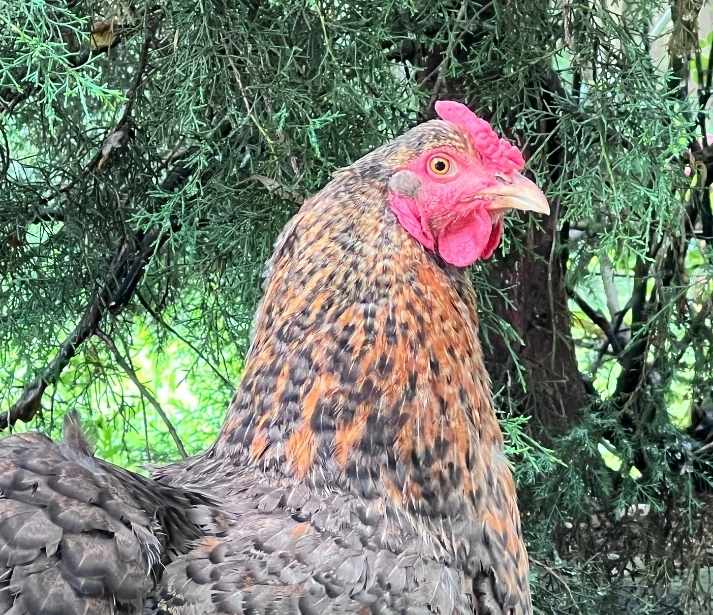
With egg prices doing what they do, the questionable things big commercial producers put into chicken feed, and wanting to control exactly what goes into our bodies — I’ve been keeping laying hens since 2013. I knew raising chickens in Kentucky would be a different game.
When we moved to our Kentucky homestead, everything felt new again. The backyard chicken movement here is growing fast, reaching into city limits like Louisville. Local Facebook groups are full of people asking the same questions: Where do I start? What breeds work best for Kentucky weather? And is it actually worth it?
See my post on suggested breeds for Best Breeds for Kentucky backyard chickens Here
Here’s my honest answer: The first thing I did after we settled on our Kentucky homestead was buy ten birds off Craigslist in a rainstorm. Almost three years later (2026), I haven’t lost a single one from that flock.
This is that story — and why it’s the first thing I tell anyone who asks me about raising chickens in Kentucky.

A Rainy Drive and a Craigslist Listing: How It Started
My son was 28 years old and he didn’t even hesitate.
I showed him the Craigslist listing from the passenger seat — Homesteader Starter Flock. Great price. — and he just laughed and said, “Let’s do it.”
We were on our way back from a family drive down to Tennessee. It was pouring rain. We had just moved to our Kentucky homestead a few weeks earlier — household goods in on Easter, the horse and dogs following on June 8th — and I’ll be honest, we were not set up for chickens. Ok a little bit, I mean there was a 3 sided shed out back with a 4th wall of chicken wire that was here when we moved in. No waterers, no feed holders, not feed totes. Just the shed. So of course I wanted chickens!
We picked up 10 birds on June 17, 2023. Nine days after the horse arrived.
A Cross Bred Chicken for a Kentucky Homestead: The Bielefelder-Wyandotte Cross
Seven hens, three roosters, a brooder light, feeders and waters— because the woman selling them knew they were only three months old and she wasn’t about to send them home without what they needed in a homesteader starter package. That’s the kind of person she was.
She was a 4-H mom whose birds had been their family project. For years she had intentionally bred them for Kentucky’s challenging climate — hot, humid summers followed by unpredictable wet winters with ice storms. The result was a Bielefelder-Wyandotte cross. The Bielefelder are know for their strong egg production — these big, calm, dual-purpose German birds are known for laying consistently and having gentle personalities that even beginners can handle. The were crossed with the hardy Wyandotte breed specifically for the rose comb.
I learned more that day then I had thought about coming from a mild climate. A chicken’s comb acts like a natural radiator to help regulate body temperature since they can’t sweat. Larger single combs are actually better at dissipating heat in hot weather. However, in Kentucky’s cold, wet winters, large single combs are much more prone to frostbite when ice storms hit. Rose (or pea combs) combs sit low and tight to the head with far less exposed surface area, giving them significantly better protection against frostbite while still allowing the birds to handle our summers reasonably well.
It seemed they had thought through every detail of what it really takes to keep chickens thriving in Kentucky. On that rainy Saturday, I got her well-bred birds at a Craigslist price — and she even sent us home with feed bag tags and directions to the local Amish feed mill so we could keep them on non-GMO feed. I still buy all my feed from there.
Her kindness and the thoughtful “homesteader welcome package” she gave us was one more reason I knew we had made the right decision moving to Kentucky.
The First Night: What Happens When You’re Not Ready for Chickens
We did not have a brooder ready.
What we had was a large Rubbermaid water trough, the brooder light she sent home with us, and a partial coop in the backyard that still needed real work before it was predator-safe. My son and I spent the better part of that night on the porch keeping an eye on the birds in the trough.
What I didn’t expect was spotting a giant snake in the garage earlier that evening — and suddenly worrying it was going to find its way to our new chickens. (Welcome to Kentucky, right?) It was the kind of situation where you’re half laughing and half genuinely concerned, which honestly describes a lot of those early homestead days.
Thankfully, the birds were perfectly fine the next morning. We headed straight to the local Amish feed mill, picked up non-GMO chicken feed, and they happily dug in. I was so grateful we didn’t have to rush out and buy extra feeders and waterers right away — and I was pleasantly surprised by how reasonable the prices were at the mill. And the snake, after I researched the heck out of it, turned out to be a friendly rat snake. Glad its around!
If you’re thinking about raising chickens in Kentucky (or just love following real homestead stories), join the Bloom & Peck email list. I’ll send you updates on the rest of this chicken series, plus gardening, recipes, and the honest wins + fails from our Kentucky ridgetop.
Almost Three Years Later: Egg Production and What to Expect from Your Flock
It is May 2026. Those original Craigslist birds are almost three years old and I have not lost a single one from that first flock.
These birds have been through Kentucky summers, ice storms, predator pressure, and the general chaos of a homestead that was still figuring itself out. They just kept going.
The first year, every hen laid every single day. Now we’re getting four or five eggs a day from seven hens, which is exactly what you’d expect from birds heading into their third year — still producing, still healthy, just settling into a more reasonable pace. If you’re planning for egg production, that’s worth knowing up front: your first two years will spoil you, and year three is when you start to see the natural slowdown.
I will start hatching this year, I need a new rooster, I am not sure how related they are. I will just have to have 2 roosters haha, the bonus of living in the country.
Why I’m Telling You This: Finding the Right Chicken Breed for Kentucky
When I see people in our local Kentucky Facebook groups asking what chickens to get for a homestead — and those questions come up more and more often — I don’t send them straight to a hatchery website. I tell them this story.
Because the answer isn’t really a simple list of popular breeds. The best answer is: find someone who has already done the hard work for your specific climate and conditions. A breeder who has raised their birds through Kentucky’s wet springs, brutal July humidity, surprise ice storms in February, and everything in between.
I got lucky. I found that person on Craigslist on a rainy Saturday, and I got her thoughtfully bred birds at a Craigslist price because my 28-year-old son looked over and said, “Let’s do it.”
She’s not selling anymore. But her line is still here on our homestead — still laying, still healthy, and still thriving almost three years later.
And if you’re starting from scratch right now without a lucky Craigslist find like I had, I’m working on exactly that guide for you next.
Up Next on Bloom and Peck:
Best Chicken Breeds for Kentucky Beginners: What I’d Actually Choose
What to look for in a Kentucky chicken breed when you can’t get these Craigslist birds — and exactly what I’d tell a beginner starting from scratch. [Link when published]
-

What to Plant in June in Kentucky — What I’m Actually Growing (Zone 7a Homestead)
If you are searching for what to plant in June in Kentucky you are in the right place. June is the month the garden really starts to feel like it’s working. Everything you started in February, March, April and May is either in the ground, climbing something, or about to give you something to eat.…
-

Easy Sourdough Discard Biscuits and Sausage Gravy for Two
Some birthdays call for reservations. This one called for a cast iron skillet. These sourdough discard biscuits and sausage gravy for two started as a birthday morning solution. My husband wanted something special but wasn’t feeling like going out — so I did what any homestead spouse does. I looked at what I had. My…
-

When to Plant Peppers in Kentucky — What I Learned the Hard Way
If you’re searching for when to plant peppers in Kentucky, you’re in the right place. I was not a hot pepper person until I learned to stuff them, wrap ’em in bacon, and grill them on the BBQ. But mainly, I grow them because my husband and son love the hot sauce I make. Growing…
-

What to Plant in May In Kentucky – Zone 6 & 7 – What I’m Doing
If you’re searching for what to plant in May in Kentucky, you’re in the right place, and you are probably as excited as I am to dig in the dirt! May is THE month for Kentucky gardeners—frost risk is behind us, soil has warmed to 60°F+, and everything that’s been under lights finally goes outside.…
Leave a Reply