
If you’re searching for what to plant in April in Kentucky, you’re in the right place. April is the sweet spot for cool-season crops like lettuce, spinach, and broccoli—and the prep month for warm-season crops like tomatoes and peppers. Here’s exactly what to plant this month in zones 6b, 7a, and 7b across Western, Central, and Eastern Kentucky.
🌱 We grow our own vegetables to control exactly what goes into our food—no pesticides we didn’t choose, no wondering where it came from. April is the month that brings back the hope and chaos of the garden season.
April in Kentucky is equal parts exciting and unpredictable. We had a stretch of warm sunny days, and I wanted to throw everything in the ground at once. The tips of the trees are showing life, the temps are climbing, and your seed packets are calling your name.
But don’t be fooled like I was my first year here. Temps can drop fast in Kentucky, and one night can take everything you worked for. My weather looks fantastic, but when I look at the weekly forecast, I see a few days below 40, UGH. So just breathe, take a minute, and let’s look at what we can actually start, sow, and transplant this month.
This post contains affiliate links to Epic Gardening and other trusted seed companies. If you purchase through these links, I may earn a small commission at no extra cost to you. I only recommend products I personally use in my Zone 7a Kentucky garden.
Quick Answer: What to Plant in April in Kentucky
Direct Seed Now: Lettuce, spinach, radishes, carrots, beets, kale
Transplant Now: Broccoli, onions, thyme, strawberries
Start Indoors: Cucumbers, melons, squash, pumpkins
Wait Until May: Tomatoes, peppers (after last frost)
Use the interactive calendar below to see exact dates for your Kentucky zone, plus keep reading for what I’m actually planting this month and lessons I’ve learned along the way.
What to Plant in April In Kentucky
It’s tempting to do all the things in April. You may also feel guilty for not starting all your own seeds — don’t. When you do have some seed starting equipment, it’s easy and, honestly, really satisfying to grow your own starts. I particularly love using Epic Garden seed trays and domes. They give my seeds a great start.
But knowing what to start really comes down to what you want to eat and what you want growing alongside your vegetables as companion plants. Will you be growing in raised beds, mound beds, or right in the dirt? Take the time to research seeds and varieties that fit your space. Maybe you have a small patio and a couple of containers where something like container garden seeds would be perfect. Or you just want a few things in grow bags. Or you hate broccoli but love cabbage. Just grow what you will eat and enjoy.
For the complete month-by-month schedule, see my Kentucky Vegetable Planting Calendar.
What if I Don’t Want to Start Seeds?
That is totally fine, especially here in Kentucky. There are so many backyard nurseries, Amish nurseries, farmers’ markets, and greenhouses in almost every county. You can contact your local county extension office, and they can help you find locations near you. Also, hop on Facebook and search for garden groups in your city or county. People here are so friendly and willing to share their knowledge — and sometimes their extra transplants.
What I’m Actually Planting in April — On My Kentucky Homestead
Here’s what is actually happening in my garden this month up here on the ridge in Columbia, Zone 7a. Your timing may shift a little depending on whether you are in western, central, or eastern Kentucky — but the general flow is the same.
🌱 I start from seed because I want as much control over our food as I can—from the seed packet to the dinner plate. (But sometimes ya have to get transplants from the nursery, so I get to choose the local nursery I trust).
Direct Seeded Outdoors
This year I upgraded my raised beds — the ones I had before just didn’t hold up in Kentucky soil. I also built a new bed this spring with an arched cattle panel trellis, which looks a little silly sitting out there by itself right now. But there’s a polytunnel on order, and I’m hoping it’s in by May. One bed, one trellis, big plans. (7 best raised beds for Kentucky)
The peas I put in back in early March (I killed my February peas 2026) are already climbing that trellis, which makes me ridiculously happy every time I look at it.
On April 10th I direct seeded carrots and beets into the beds. I planted radishes on the ends as row markers — they germinate faster so they show me exactly where my rows are while I’m waiting on everything else.

Sure enough by April 16th the radishes had already popped through. The carrots and beets are slower but they’re in there doing their thing.
My potatoes actually went in the ground back on March 14th after spending the winter sprouting in the basement. If you’ve never seen a potato go full alien in a dark corner, just wait. They’re already peeking through the ground now and it feels like a small miracle every time.
Started From Seed Indoors
My seed starting setup is in the basement where temps are holding steady around 60 degrees right now — not glamorous but it works. I have one 1080 tray on the shelf under the lights and that’s honestly enough. I’m not growing for market, just for us and maybe the neighbors if we end up with extra.

This month I started cantaloupe, pickling cucumbers, watermelon, pumpkin, and zucchini in the Epic 4-cell trays on the heat mat. I really like these trays for this — they don’t take up much space and the cell size is just right when you’re not trying to grow a hundred of everything. https://shop.epicgardening.com/BLOOMPECK5
Now about the tomatoes and peppers. I started those back on February 20th — earlier than most guides suggest — and I’m really glad I did. The German Pink, Kentucky Beefsteak, San Marzanos, and peppers are all strong and have been slowly hardening off on the porch. The tomatoes have been potted up already. The peppers still need to be potted up next.

I adore the Epic gardening trays, you get 5% off with this link and YES it stacks on their sale days.
And then there’s the Sungolds. 🤦♀️
I left them out one night in early April and the temperature dropped and they were gone by morning. But here’s the thing — because I started early I actually have time to start another round if I want to. I was growing those particular ones for my son to have something growing outside his door, so that stings a little. But it’s a good reminder that April in Kentucky will catch you off guard if you turn your back on it. If it happens to you — don’t panic. Check your dates, you may have time to start again.
I also have sweet potato slips I’m keeping alive right now, and I’m starting a few new ones this month just to test whether the timing people suggest actually works. I’ll report back on that one. How to Start Sweet Potato Slips in Kentucky (Zone 7a Guide)
Transplanted Out
On April 8th I got the broccoli and onion starts in the ground — overcast day, not too hot, and I was hoping for rain to help them settle in. That’s honestly the best transplanting weather you can ask for in Kentucky.

I tucked the thyme right in alongside them and everything went under row cover. Cool season crops like a little protection in April when temps can still swing. It just snuggles in there and does its thing.
And I have one experiment running this month — some tomato starts I wasn’t sure would make it are now living in a metal tub with a clear cover over the top acting as a DIY cloche. I put them out around April 7th and I’m watching to see what happens. More on that soon.
Is Mid April Too Late to Plant in Kentucky?
Not at all — and this comes up a lot. If you are just getting started right now you still have plenty of time for cool season crops like lettuce, radishes, spinach, and beets. Warm season crops like tomatoes and peppers are not going outside until after last frost anyway, which for most of Kentucky is early to mid-May. You are not behind, though I sure feel like it!. You are right on time.
What NOT to Plant in April in Kentucky
**Wait Until May:**
**Tomatoes** — Frost-sensitive; will die if temps drop below 32°F
**Peppers** — Also frost-sensitive; wait until after May 15
**Basil** — Dies in cold temps; needs consistent warmth
**Beans** — Need warm soil (60°F+); plant in May
**Okra** — Loves heat; plant after soil warms in late May
**Frost is the enemy** for these warm-season crops.
Kentucky’s average last frost is May 1-15, depending on your zone. Be patient — it’s worth the wait! I learned this the hard way when I lost my Sungolds to an early April cold snap.
Want Exact Planting Dates for Every Month?
Get my FREE Kentucky Vegetable Planting Calendar with zone-specific dates for 30+ vegetables. Written by a Zone 7a homesteader growing to feed her family—not to sell.
Plus, get occasional real-talk homesteading tips (no woo-woo, just what works).
April Planting Calendar for Kentucky Zone 6 and Zone 7
This is an approximation with information from the UK Cooperative Extension. Kentucky is full of microclimates. For example, my kitchen garden things are colder than my ridgetop garden, and the holler is cooler yet. Check with your local extension office or look up your frost dates by zip code.
Learn more about the two zone systems at play in Kentucky https://bloomandpeck.com/kentucky-vegetable-planting-calendar/
Click the zone below to see your approximate planting dates for April.

Ready for May?
See exactly what's going in the ground next month → What to Plant in May in Kentucky
Frequently Asked Questions — What to Plant in April in Kentucky
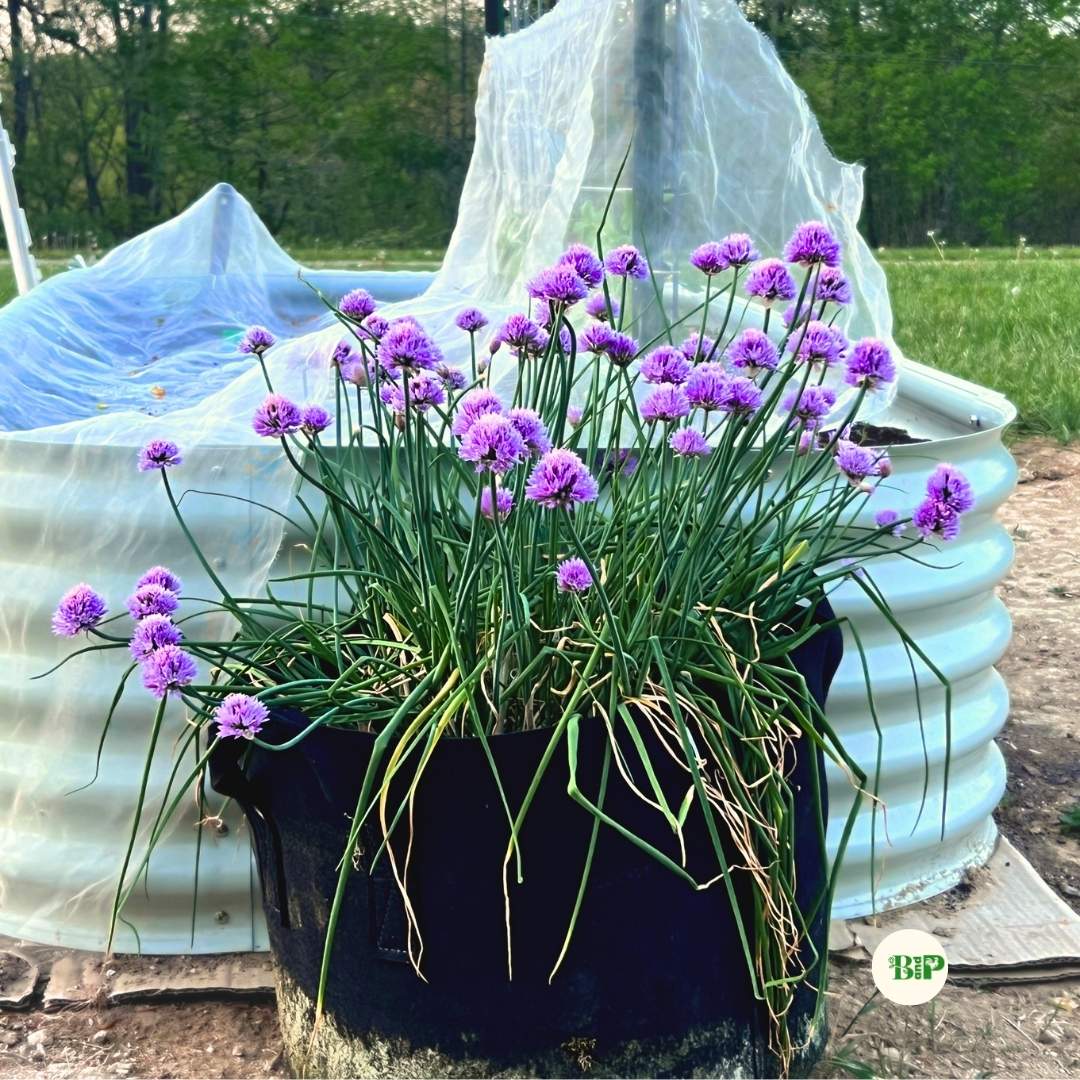
April is a great month for cool season crops in Kentucky. You can direct seed lettuce, spinach, radishes, carrots, kale, and beets directly into the ground. Broccoli, onion transplants, and potatoes can go in early in the month. Herbs like chives do beautifully in April — mine are thriving in a grow bag right now. Strawberries, chamomile, and peas are also happy in April temps. For warm season crops like tomatoes and peppers — not yet. Wait until after last frost which for most of Kentucky is early to mid May.
More than you think! I have chives absolutely thriving in a grow bag right now, and strawberries doing beautifully in containers. Lettuce, spinach, beets, carrots, radishes, kale, peas, and broccoli all do well in pots in April. Just make sure to choose the right size pot or container for what you want to grow.
Not at all. If you are just getting started you still have plenty of time for cool season crops like lettuce, radishes, spinach, and beets. Warm season crops like tomatoes and peppers are not going outside until after last frost anyway. You are not behind. You are right on time.
For cool season crops you can start as early as late February to March indoors and get things in the ground in March and April. For warm season crops most Kentucky gardeners use the Kentucky Derby Rule — wait until the first Saturday in May as your minimum. My full Kentucky Vegetable Planting Calendar breaks this down by zone if you want exact dates.
The 70/30 rule is a simple guideline that suggests planting about 70 percent of your garden with reliable crops you know grow well in your climate, and reserving 30 percent for experimenting with something new. It protects your harvest while still leaving room to try new varieties and learn. Honestly this is exactly how I approach my Kentucky garden — my reliable cool season crops anchor April, and the sweet potato slip timing experiment I'm running this month? That's my 30 percent. 😄
Want the Full Kentucky Planting Guide?
If you want all of this in one place — every month, popular crops, zone specific dates — grab my free Kentucky Vegetable Planting Guide below. It's what I wish I'd had when I was just getting started.
What will you be planting in April in Kentucky? Share in the comments!
Leave a Reply